
Waterproofing in Prospect Heights — Bobby Contracts Inc
Prospect Heights carries two very different housing eras within a few blocks of each other. Along Vanderbilt and Underhill Avenues, you’ll find rowhouses and walk-ups that predate the neighborhood’s more recent transformation, while blocks closer to Atlantic Avenue and Flatbush have seen a wave of newer development tied to the Barclays Center construction between 2010 and 2012. Bobby Contracts Inc. provides waterproofing in Prospect Heights for both — older foundations that were never sealed properly to begin with, and newer buildings sometimes affected by how that large-scale construction reshaped drainage and groundwater flow nearby.
Get A Free Estimate
About Us
Old Foundations, New Construction — Different Water Problems
If your home sits on one of the older residential blocks near the Brooklyn Museum or Botanic Garden, your basement is likely dealing with the same underlying issue we see across historic Brooklyn: original stone or masonry foundations built long before waterproofing membranes existed, now slowly letting moisture through after a century of settling.
If you’re in a newer building nearer the Barclays Center construction footprint, the cause is often different. Excavation and site work of that scale can permanently alter how groundwater moves through the surrounding blocks, which occasionally shows up years later as new water intrusion in buildings that had no history of basement issues before.
Basement waterproofing in Prospect Heights typically comes down to:
- Water seeping through original foundation walls on Vanderbilt/Underhill-area rowhouses
- Persistent basement dampness or musty odors
- Foundation cracks that develop or widen over time
- Efflorescence (white mineral buildup) on basement walls
- New or worsening water intrusion in buildings near the Barclays Center development corridor
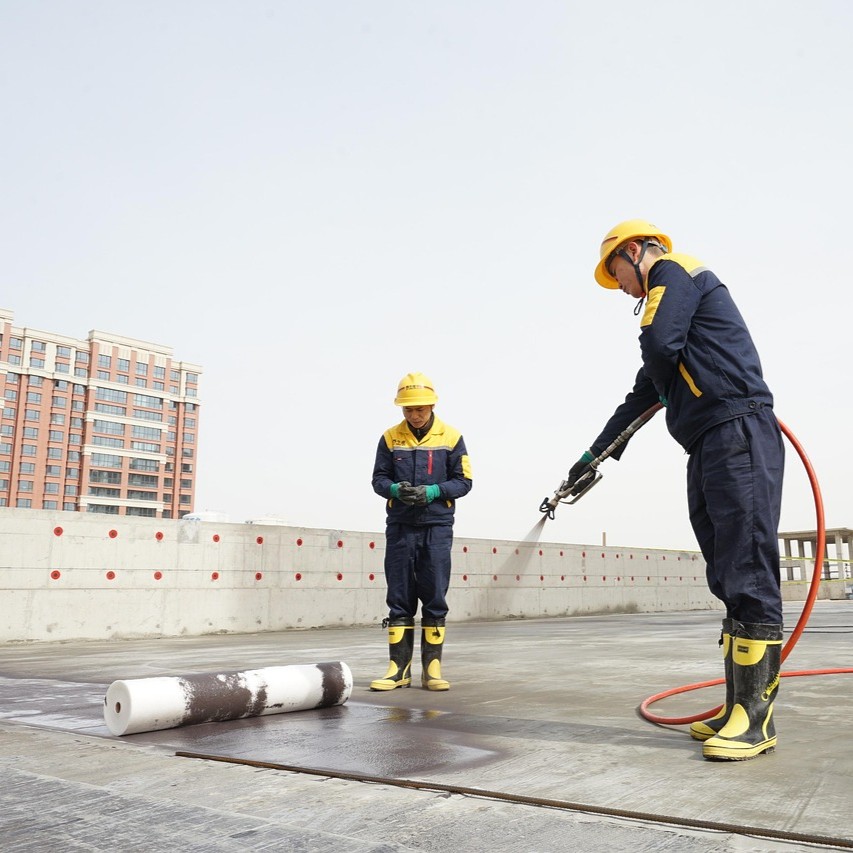
Foundation Waterproofing for Prospect Heights' Mixed Housing Stock
Whether you’re dealing with a hundred-year-old rowhouse foundation near the Botanic Garden or a newer building affected by shifting groundwater from nearby construction, our approach starts the same way: identifying exactly where and why water is entering before recommending a fix. Older foundations usually need sealing at the source, while newer buildings closer to the development corridor sometimes just need better drainage management to redirect water that’s now flowing differently than it did a decade ago.
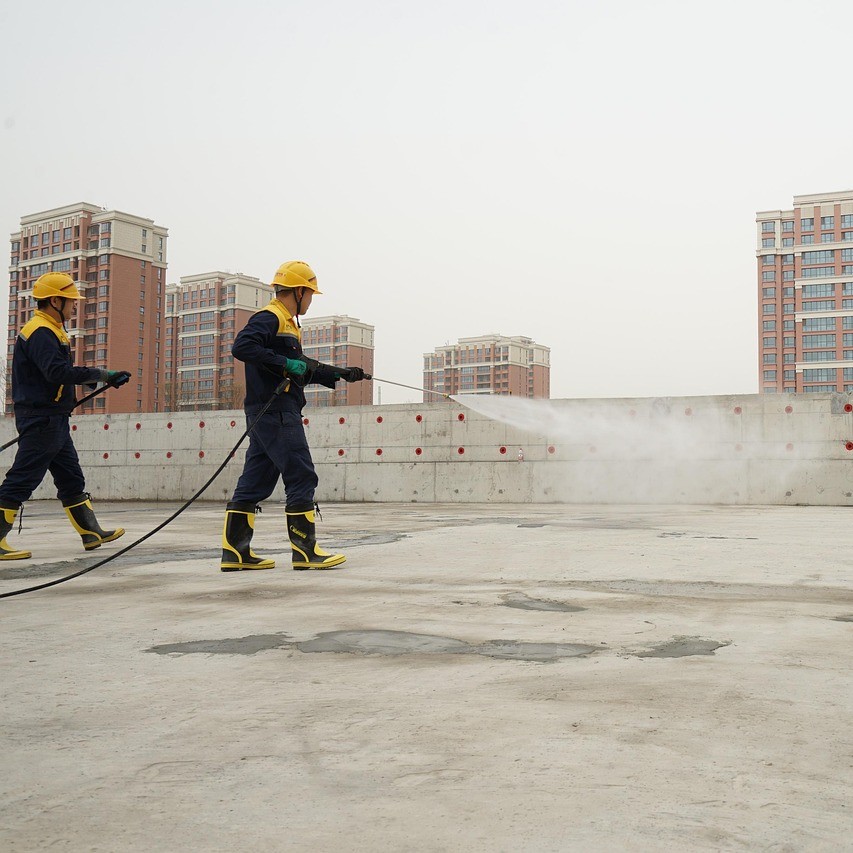
Waterproofing Systems We Install
- Interior drainage systems — capturing water before it spreads and channeling it to a sump pump
- Sump pump installation — removing water that enters the basement to prevent standing water and flooding
- Exterior waterproofing membranes — sealing foundation walls from the outside where yard or areaway access allows
- French drains — redirecting groundwater and surface runoff away from the foundation
Signs You Should Have Your Basement Checked
- A musty smell that doesn’t clear with ventilation
- Paint peeling or bubbling on basement walls
- Visible or widening cracks in foundation walls
- Water stains or new dampness appearing after rain
- Mold or mildew forming in basement corners
- Water issues that started or worsened sometime after 2010-2012, particularly in buildings near the Barclays Center footprint
That last point is worth flagging specifically — if your basement was dry for years and problems appeared around the same time as major nearby construction, it’s worth having assessed rather than assumed unrelated.
Our Waterproofing Process
Inspection
We assess your foundation, basement, exterior grading, and drainage patterns — and if relevant, consider whether nearby development may be a contributing factor.
Written Estimate
A clear, itemized breakdown of the recommended solution, materials, and total cost.
Customized Plan
Built around your building’s age, foundation type, and specific water intrusion pattern.
The Work Itself
Our crews complete the work with minimal disruption to your property.
Final Walkthrough
We confirm the work meets our standards — and yours — before calling the job complete.
Why Prospect Heights Property Owners Choose Us for Waterproofing
- Licensed & insured for all waterproofing and foundation work
- Written, itemized estimates, always
- Experience with both Vanderbilt/Underhill-era rowhouse foundations and newer construction near the Barclays Center corridor
- Attention to how large-scale nearby development can affect drainage and groundwater
- Warrantied work, built to last years, not one season
- Honest recommendations — we identify the actual cause before proposing a fix
Frequently Asked Questions
Do you offer free estimates for basement waterproofing in Clinton Hill?
Yes. We inspect your basement and foundation, then provide a written, itemized estimate at no cost and no obligation.
Can the Barclays Center construction really still be affecting basements today?
Large-scale excavation and site work like the Atlantic Yards development can permanently alter groundwater flow and drainage patterns in surrounding blocks, and effects like this sometimes surface years after construction wraps up.
Why do the older rowhouses near Vanderbilt and Underhill seem prone to basement moisture?
Many were built with original stone or masonry foundations long before waterproofing membranes existed, making gradual water intrusion more likely as the materials age.
Do you install sump pumps as part of your waterproofing service?
Yes, sump pump installation is often part of an interior drainage solution, especially for basements with recurring water intrusion.
Do you work with both homeowners and property managers in Prospect Heights?
Yes, we regularly work with individual homeowners as well as landlords and property managers overseeing multi-unit buildings throughout the neighborhood.
Waterproofing in Prospects Heights, Brooklyn - Bobby Contracts INC
CONTACT US
+1-917-704-7174
ADDRESS
171 Bay 17th Street, Brooklyn, NY - 11214