
Brownstone Restoration in Prospect Heights, Brooklyn
Bobby Contracts Inc. restores brownstone facades throughout Prospect Heights, including the rowhouses along Vanderbilt, Underhill, and Carlton Avenues — handling spalling repair, stoop restoration, color-matched patching, and repointing for landmarked properties. Licensed and insured with 20+ years of experience, we work throughout the Prospect Heights Historic District. Free estimates available.
Get A Free Estimate
About Us
One of Brooklyn's Largest Historic Districts
Prospect Heights was designated a historic district on June 23, 2009 — 21 blocks and roughly 850 buildings, making it the largest LPC designation in Brooklyn at the time. The district is defined mostly by rowhouses built in the mid-to-late 1800s in a mix of Italianate, Romanesque, Renaissance Revival, and Second Empire styles, with larger mixed-use buildings appearing along the Flatbush Avenue edge.
Because the designation is relatively recent compared to Brooklyn Heights (1965) or Clinton Hill (1981), a lot of Prospect Heights brownstone owners are still learning what LPC review actually requires for their specific building. We walk owners through that as part of every project, since assuming your building either does or doesn’t need approval can throw off a renovation timeline before it even starts.
Where Prospect Heights' Brownstone Damage Comes From
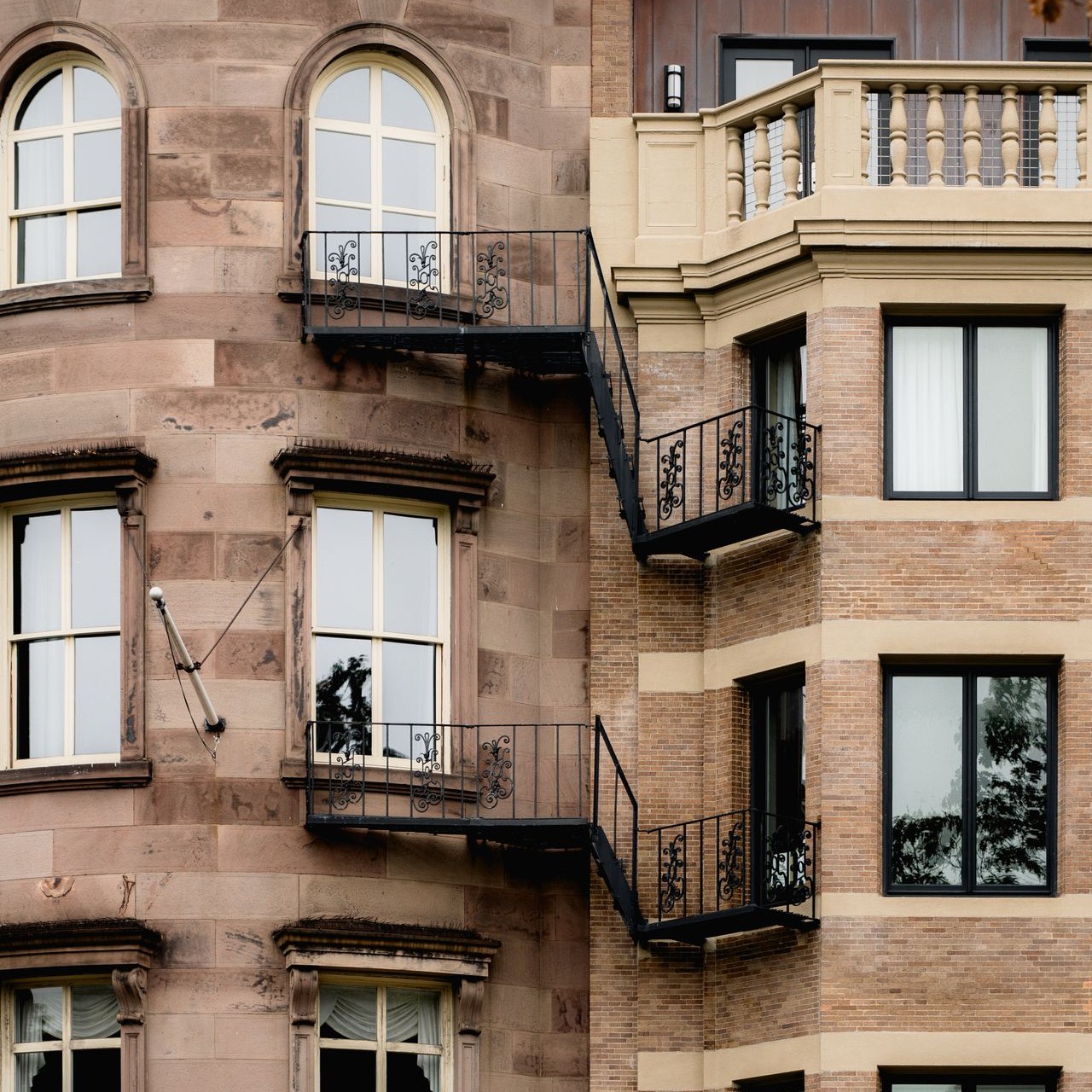
Across two decades of restoration work in this district, the damage patterns are fairly consistent with what you’d expect from rowhouses built well over a century ago. Water finds its way into window sills and cornice detailing, freezes during winter months, and the resulting expansion causes the brownstone’s surface layer to spall and flake. Stoops face a different kind of wear entirely — foot traffic and salt exposure over decades, often needing attention before the facade above shows any real problems.
Given the neighborhood’s more recent wave of renovation and resale activity — particularly since redevelopment picked up around the Barclays Center area — we also see a fair number of older, non-compliant repairs done by previous owners using standard cement-based mortar instead of a lime-rich mix suited to brownstone. That kind of mismatch traps moisture against the stone and accelerates deterioration rather than preventing it.
How We Approach a Restoration Project
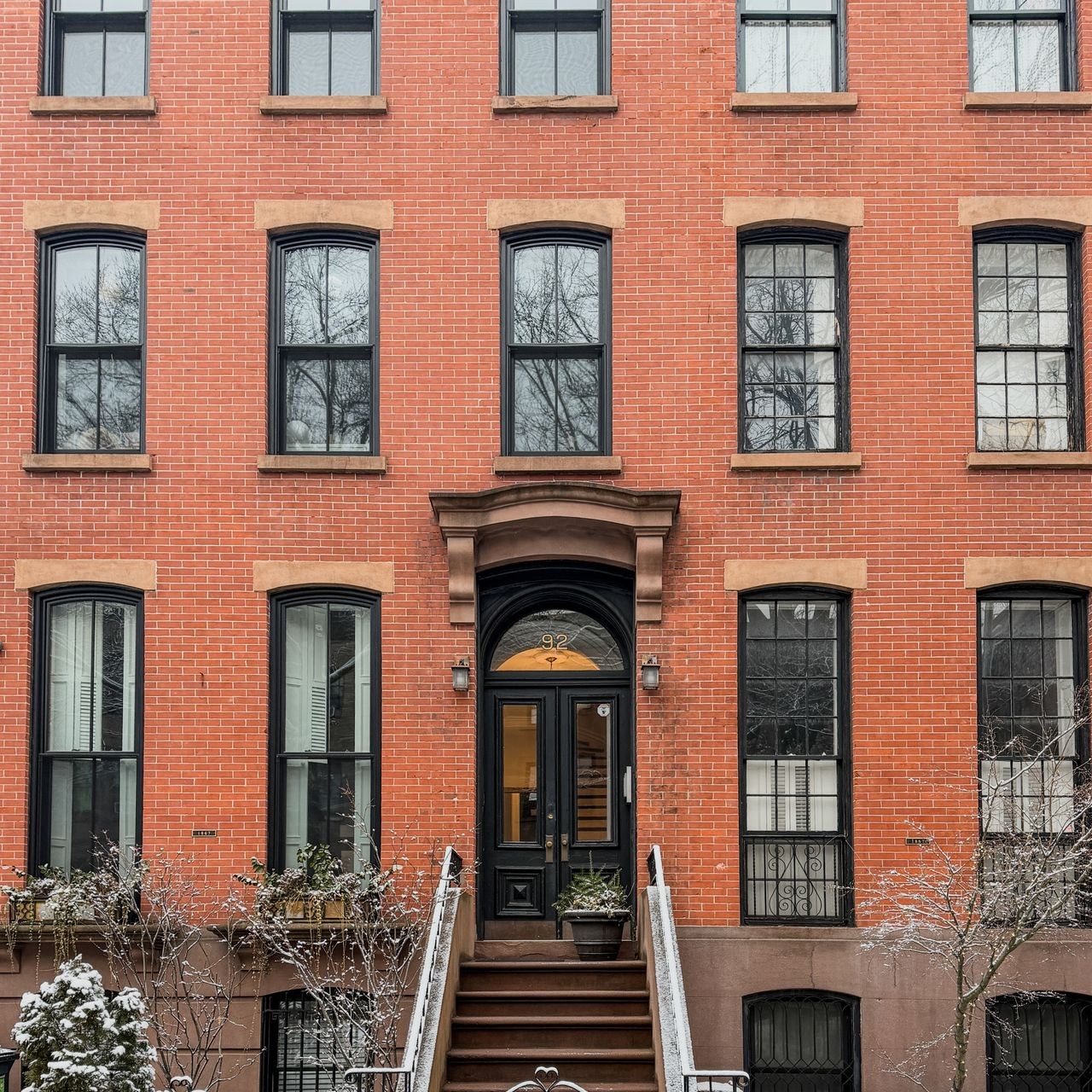
Confirming your building’s status. Since the historic district covers 21 blocks with varying building types, we confirm your property’s exact designation and requirements before recommending a scope of work.
Assessing the actual damage. We document spalling, cracking, and stoop condition in detail, which supports both project planning and any required LPC submission.
Sourcing compatible materials. We use lime-rich, brownstone-compatible mortar and matched repair compound, not standard cement mixes that are harder than the sandstone itself.
Filing with LPC. For work within the district, we prepare and submit the documentation LPC review requires, building that timeline into your project schedule from the outset.
Completing the restoration. This includes spalling repair, stoop rebuilding, repointing, and cornice or window surround restoration where applicable.
Services We Provide
Spalling and surface erosion repair
removing damaged brownstone and replacing it with color-matched compound.
Stoop restoration
rebuilding treads, risers, and railings worn down by decades of use.
Repointing
replacing deteriorated mortar with a lime-rich, brownstone-compatible mix.
Crack and structural repair
distinguishing cosmetic cracking from deeper structural movement.
Cornice and detail restoration
preserving the Italianate and Renaissance Revival detailing common throughout the district.
Waterproofing and sealant application
breathable sealants appropriate for sandstone, applied once repairs are complete.
Signs It's Time for an Inspection
Flaking or chipped brownstone, cracks near window openings, a worn or crumbling stoop, patchy discoloration from a past repair, or damp interior walls near the exterior are all worth having assessed. Buildings that changed hands more recently sometimes carry undocumented past repairs that don’t hold up to LPC standards, so a full inspection before any renovation or resale is worth the time.
What Working With Us Looks Like
We’ve spent more than 20 years restoring brownstone across Brooklyn, including projects throughout Prospect Heights’ historic district. Every estimate is written and itemized before work begins. We confirm your building’s landmark status and requirements upfront, handle LPC documentation directly, and use brownstone-specific materials rather than generic masonry products. All work is backed by a warranty on materials and labor.
Frequently Asked Questions
Is the estimate really free?
Yes — we inspect the brownstone, walk you through what we’re seeing, and provide a full written estimate with no cost or obligation.
Does my Prospect Heights property need Landmarks Preservation Commission approval?
Almost certainly, since the Prospect Heights Historic District, designated in 2009, covers 21 blocks and around 850 buildings. We confirm your property’s exact status and requirements as part of the initial inspection.
Why does brownstone need different mortar than brick?
Brownstone is softer and more porous than brick, so standard cement-based mortar — harder than the stone itself — traps moisture and speeds up deterioration instead of preventing it.
I just bought my property — how do I know what past repairs were done correctly?
We inspect existing repairs as part of every project and flag any that used incompatible materials or don’t meet LPC standards, which is especially relevant for recently purchased properties in the district.
Do you restore stoops as well as facades?
Yes, stoop restoration is one of our regular services, since stoops face different wear patterns than the facade and often need separate attention.
Brownstone Restoration in Prospects Heights, Brooklyn - Bobby Contracts INC
CONTACT US
+1-917-704-7174
ADDRESS
171 Bay 17th Street, Brooklyn, NY - 11214