
Roof Damage After the Recent Brooklyn Storm? Here’s What to Check First
After a storm, check your roof for missing or lifted shingles, damaged flashing around chimneys and vents, and new leaks or ceiling stains before assuming the worst or calling for a full replacement. Most storm damage falls into a few recognizable categories, and knowing what to look for helps you get an accurate repair estimate instead of an inflated one.
What to Check First After a Storm
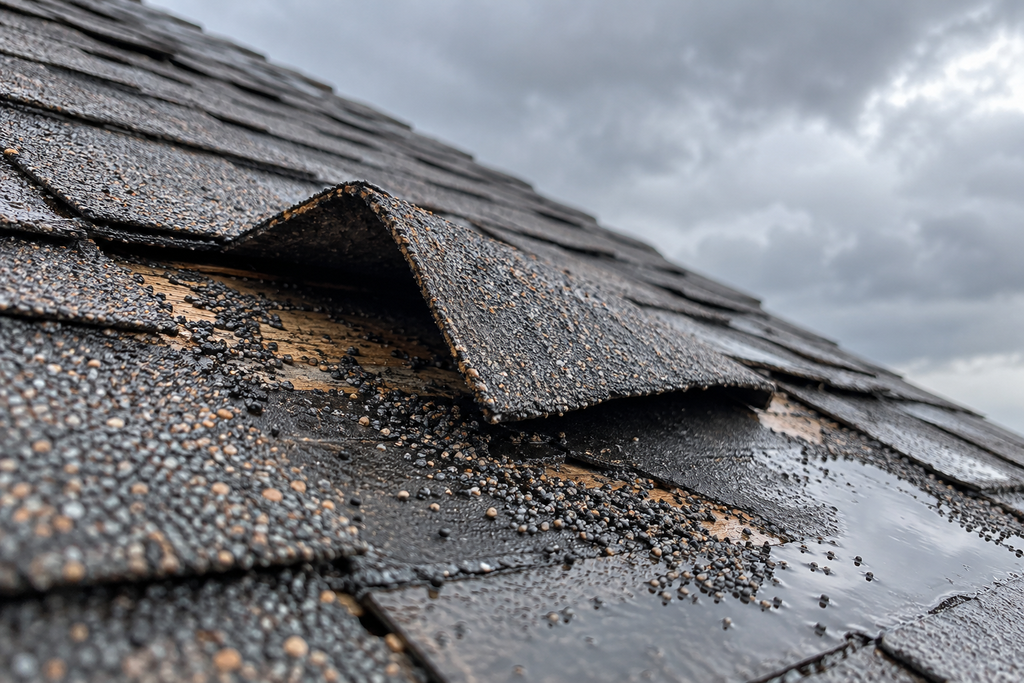
A recent storm moved through Brooklyn bringing heavy rain and strong wind, and storm damage tends to show up in the same handful of places every time. Before climbing onto the roof yourself — which isn’t necessary and isn’t always safe — there’s a lot you can check from the ground and from inside your home.
This is a common concern across Williamsburg, Park Slope, Clinton Hill, Brooklyn Heights, and Prospect Heights, where a mix of flat-roofed brownstones and pitched-roof homes means storm damage can look different from one property to the next.
Check Inside Your Home First
Before you worry about the roof itself, check for signs of water intrusion indoors:
- New ceiling stains — brown or yellow discoloration on ceilings, especially on the top floor, often appears within hours to days after a storm
- Damp spots in the attic, if you have access — look for wet insulation, water stains on rafters, or beads of moisture on the underside of the roof deck
- Light coming through the attic roof deck — visible daylight where there shouldn’t be any usually indicates a gap, missing shingle, or damaged flashing directly above
- A musty smell that wasn’t there before the storm, which can indicate moisture has already gotten into insulation or wood framing
Catching these signs early — even before you see anything on the roof itself — often means the difference between a small repair and a larger one.
Check the Roof From the Ground
You don’t need to get on the roof to spot most storm damage. From the ground or a window, look for:
- Missing or visibly lifted shingles, especially near roof edges and ridges where wind pressure is strongest
- Granules collecting in gutters or downspouts — asphalt shingles shed their protective granule coating when damaged, and a sudden buildup after a storm is a clear sign
- Debris on the roof — branches, loose flashing pieces, or other material that may have caused impact damage
- Visibly bent, lifted, or missing flashing around chimneys, vents, and roof edges
- Sagging sections of the roofline, which can indicate structural stress from wind or water weight
If you have binoculars or a zoom lens on your phone, that’s often enough to get a closer look without needing to climb up yourself.
Check for Flat Roof-Specific Damage
Brooklyn’s brownstones and multi-family buildings often have flat or low-slope roofs, which show storm damage differently than pitched, shingled roofs:
- Standing water that hasn’t drained more than 48 hours after the storm
- Membrane lifting or ballooning at the edges or seams, sometimes caused by wind getting underneath the material
- Visible tears or punctures from wind-blown debris
- Separated or lifted flashing around parapet walls, vents, and roof penetrations — one of the most common failure points during wind-driven rain
If you’re seeing any of these signs, it’s worth reading more about signs of a poorly installed flat roof, since storm damage can sometimes expose or worsen an installation issue that was already present before the storm hit.
What to Do Before Calling a Contractor
- Photograph everything — interior stains, exterior damage, and anything on the ground like shingles or granules. Date-stamped photos matter for insurance claims.
- Don’t climb on the roof yourself if it’s wet, if you’re not experienced with roof access, or if you can’t tell whether the deck underneath is structurally sound.
- Avoid signing anything with a contractor who shows up unprompted right after a storm. This is a common pattern homeowners report — sometimes called “storm chasing” — and it’s worth getting an independent inspection rather than agreeing to immediate work from someone who wasn’t already known to you.
- Call your insurance company early, even before repairs are scheduled, since many policies require documentation of the damage close to when it occurred.
- Get a professional roof inspection to determine whether the damage is localized (a flashing repair, a section of missing shingles) or more extensive.
We’ve seen this same pattern come up on Reddit after storms elsewhere — on subreddits like r/roofing and r/HomeImprovement, homeowners often post photos asking whether their damage is “bad enough” to justify a claim, and the most common advice from roofers in the comments is the same: get an inspection and documented estimate before deciding, rather than guessing from the ground.
Why Not Every Storm-Damaged Roof Needs Full Replacement
It’s common to assume that any visible storm damage means the whole roof needs to be replaced, but that’s often not the case. A single missing shingle, a section of lifted flashing, or one damaged area on a flat roof can frequently be repaired without replacing the entire system — especially if the rest of the roof was in good condition before the storm. A proper inspection is the only reliable way to know which category your roof falls into, and it protects you from paying for more work than you actually need.
The Bottom Line
Storm damage after a recent Brooklyn storm tends to follow familiar patterns — missing shingles, lifted flashing, granule loss, and new leaks are the most common signs, and most of them can be spotted without getting on the roof yourself. Checking indoors first, documenting everything, and getting a professional inspection before committing to repairs will save you time, money, and unnecessary stress.
Whether you’re in Williamsburg, Park Slope, Clinton Hill, Brooklyn Heights, or Prospect Heights, Bobby Contracts Inc. has inspected roofs across Brooklyn for over 20 years and can tell you honestly whether you’re dealing with a simple repair or something more serious. Call us at +1-917-704-7174 or message us on WhatsApp to schedule a post-storm inspection.
FAQ
How Soon Should You Have Your Roof Inspected After a Storm?
As soon as possible — ideally within a few days — especially if you notice any interior water stains, missing shingles, or visible flashing damage. Early inspection also helps with insurance documentation timelines.
Does Homeowners Insurance Cover Storm Damage to Your Roof?
Many homeowners insurance policies cover sudden storm-related roof damage, such as damage caused by wind or hail. However, coverage varies depending on your specific policy. Taking clear photos of the damage and having your roof professionally inspected can help support your insurance claim.
Can You Safely Inspect Your Own Roof After a Storm?
You can check safely from the ground, a window, or your attic for visible signs of damage, but climbing onto the roof itself isn’t necessary and can be unsafe, especially if the deck underneath may be compromised.
What’s the most common type of storm damage on Brooklyn roofs?
Missing or lifted shingles on pitched roofs, and lifted flashing or membrane damage around edges and penetrations on flat roofs, are among the most common issues we see after wind and heavy rain.
Should I be cautious of contractors who show up right after a storm?
Yes. Unsolicited contractors offering immediate repairs after a storm are a known pattern, sometimes called storm chasing. It’s best to get an independent inspection and written estimate before agreeing to any work.